
Popular Tree Removal Products for Safe and Effective Work
Explore top-rated tools and accessories that help you tackle tree removal projects with confidence and precision.
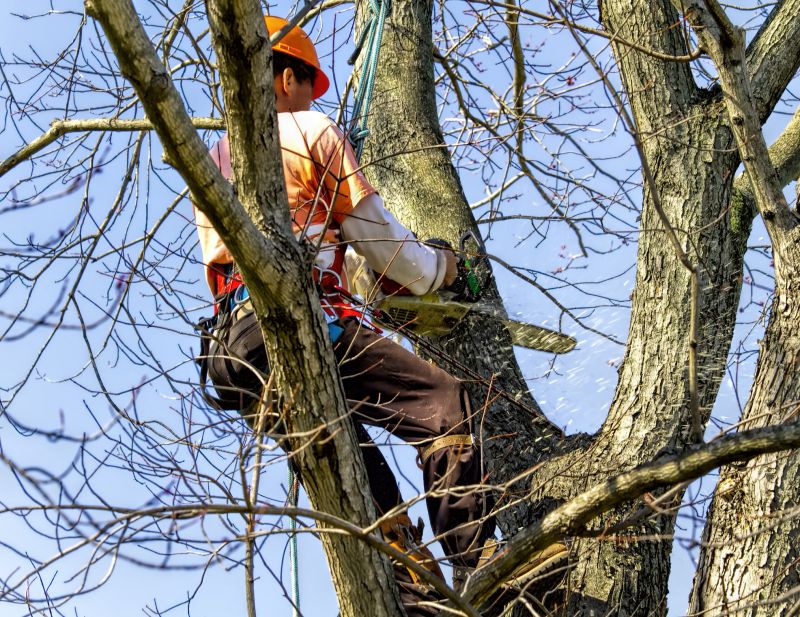 Tree removal is a task that often requires specialized equipment and careful planning to ensure safety and efficiency. Whether dealing with hazardous branches, fallen trees, or complete removal of problematic trees, having the right tools is essential. Proper equipment can help minimize risks, reduce physical strain, and improve the overall success of the removal process. In Reading, PA, where mature trees are common in residential and commercial landscapes, selecting appropriate products for tree removal can make a significant difference in safety and effectiveness.
Top Overall Option
Cordless Electric Chainsaw
A versatile cordless electric chainsaw offers portability and ease of use for various tree removal tasks. It provides sufficient cutting power for medium to large branches and small trees, with the convenience of battery operation that eliminates the need for cords or fuel. Lightweight and maneuverable, this type of chainsaw is suitable for both homeowners and professionals seeking reliable performance without the hassle of traditional gas-powered models.
Types of Products For Tree Removals
Gas-Powered Chainsaw
Offers high power and mobility for cutting large trees and heavy-duty tasks, suitable for professional use or extensive property work.
Electric Chainsaw
Provides a quieter, low-maintenance option for smaller to medium-sized trees, ideal for residential use.
Pole Saw
Features an extendable arm to reach high branches without the need for ladders, suitable for trimming and light removal.
Hand Pruners and Loppers
Ideal for trimming smaller branches and maintaining tree health, offering precision and control.
Manual Saw
A basic hand tool for small branches and light pruning, useful for quick, precise cuts.
Chainsaw Carving Tools
Specialized for shaping and removing wood from trees, often used in artistic or detailed work.
Tree Climbing Gear
Includes harnesses, ropes, and spikes for safe ascent and descent during removal or pruning tasks.
Stump Grinder
Used to grind down tree stumps after removal, helping to clear land for replanting or construction.
Aerial Lift Platform
Provides elevated access to high branches or trees, ensuring safety and stability during removal.
Safety Gear Set
Includes helmets, gloves, goggles, and protective clothing to ensure safety during tree removal work.
Rope and Pulley System
Assists in controlling the fall of large branches or trees, reducing risk during removal.
Wood Chippers
Converts branches and small logs into mulch, useful for cleanup after pruning or thinning.
Tree Removal Kit
A comprehensive set that includes various hand tools, safety gear, and accessories for complete removal tasks.
Popular Choices
A popular choice for its portability and ease of use for light to medium tree work.
Favored for heavy-duty tasks and large tree removal projects due to its power and durability.
Widely used for reaching high branches safely without ladders.
Popular for trimming smaller branches and maintaining tree health efficiently.
Commonly used after tree removal to clear stumps and prepare land for future use.
Essential for protecting against falling debris and during active cutting.
Preferred for high-reaching branches and safe access in complex removal scenarios.
Effective for controlling large branches and reducing fall hazards.
Popular for efficient cleanup and mulching of branches and small logs.
Chosen by professionals for safe and secure ascent during complex removal jobs.
Commonly used for trimming and removing smaller branches with precision.
A simple, reliable tool for small cuts and detailed pruning tasks.
When considering tree removal tools, it is important to evaluate the size and type of trees involved, the terrain, and the level of experience of the operator. For larger trees or those in hard-to-reach areas, more powerful equipment such as chainsaws and pole saws may be necessary. Smaller, more manageable tools like hand pruners and loppers are suitable for trimming branches or removing smaller trees. Additionally, safety gear such as helmets, gloves, and eye protection should always accompany these tools to prevent injuries.
Investing in quality equipment can enhance safety and efficiency, but it is equally important to understand the capabilities and limitations of each product. Proper training and adherence to safety guidelines are crucial when operating any tree removal tools. For those in Reading, PA, choosing the right products tailored to the specific needs of their landscape can help facilitate a successful and safe removal process, whether for emergency situations or routine maintenance.
Key Buying Considerations
- Tree size and type: Larger trees may require more powerful equipment like gas chainsaws or aerial lifts, while smaller trees can often be managed with manual tools.
- Safety features: Look for safety mechanisms such as chain brakes, protective guards, and ergonomic designs to reduce injury risk.
- Power source: Decide between corded electric, cordless battery-powered, or gas-powered tools based on mobility needs and power requirements.
- Ease of use: Consider the weight, grip comfort, and control features to ensure safe and effective operation.
- Cutting capacity: Match the tool's maximum cutting diameter with the size of the branches or trunks you plan to remove.
- Durability and build quality: Invest in well-constructed tools that can withstand frequent use and challenging conditions.
- Maintenance requirements: Choose equipment that is easy to maintain, with accessible parts and clear instructions.
- Storage and portability: Consider the size and storage options, especially if you need to transport tools to different sites.
- Additional features: Some tools come with extendable arms, adjustable speeds, or interchangeable blades for versatility.
- Budget considerations: Balance the cost with quality and features to ensure you get a reliable product within your budget.
- Local regulations: Be aware of any local safety or environmental regulations that may influence tool choices or usage.
- Compatibility with accessories: Check if the tool can be used with other attachments or accessories for expanded functionality.
- Operator experience: Select tools appropriate for your skill level, especially for complex or high-risk tasks.
- Availability of replacement parts: Ensure that spare parts and repairs are accessible for long-term maintenance.
This content contains affiliate links. We may earn a commission if you purchase through these links, which helps support our work and provides you with valuable product information.